If you run a discount store, you hear the same words every week: closeouts, overstock, shelf pulls. Suppliers often use them loosely, and two offers with the same label can be very different once the pallets arrive. Knowing what each term usually means makes it easier to describe what you want, compare offers fairly, and avoid surprises at the receiving door.
This article walks through the three most common types of off-price inventory, where they tend to come from, and the questions worth asking before you commit.
Closeouts: products that are leaving the line
Closeouts are products a brand, distributor, or retailer has decided to stop carrying. The reason might be a new model, a packaging change, a discontinued color, or simply a decision to exit a category. The goods are usually new and in their original packaging, which makes closeouts popular with discount stores that want items that look and feel like regular retail.
The trade-off is continuity. A closeout is often a one-time buy. When it sells through, you may not be able to reorder the same item, so plan your shelf space and your marketing around a limited run. Closeouts can also be partial: a supplier may have deep stock in a few sizes or colors and very little in others.
Overstock: more than the seller planned to move
Overstock is inventory beyond what a manufacturer, brand, or retailer expected to sell in a given season or channel. Forecasts miss, orders arrive late, or a promotion does not perform as planned. The product itself may still be current, which means overstock can include items that are also on regular store shelves at full price.
Because overstock is usually new, condition questions are simpler than with returns. The bigger questions are about quantity and mix. Is the offer a single SKU in large volume, or a broad assortment? Are there any customer returns or damaged units mixed into the load? Clear answers help you price the lot and decide whether it fits your store.
Shelf pulls: off the floor, not always perfect
Shelf pulls are items removed from store shelves, often because of seasonal changes, planogram resets, or packaging updates. They are typically unsold products, but they have spent time on a sales floor. That can mean dusty or scuffed boxes, missing price stickers, or the occasional item that was opened by a shopper.
For many discount stores, shelf pulls are a strong value because the product is sound and the pricing reflects the cosmetic wear. The key is to set expectations with your team and your customers, and to ask the supplier for photos and a realistic description of condition.
How they compare
| Lot type | Typical source | Usual condition | What to ask |
|---|---|---|---|
| Closeouts | Brands and distributors | New, original packaging | Is the full range available, or only some sizes and colors? |
| Overstock | Manufacturers and big retailers | New, sometimes mixed | Is it one SKU or an assortment? Any returns mixed in? |
| Shelf pulls | Retail stores | Unsold, cosmetic wear possible | What is the condition, and are photos available? |
What to check before you buy
Whatever the label says, the same handful of questions protect your margin. Before you agree to a deal, confirm:
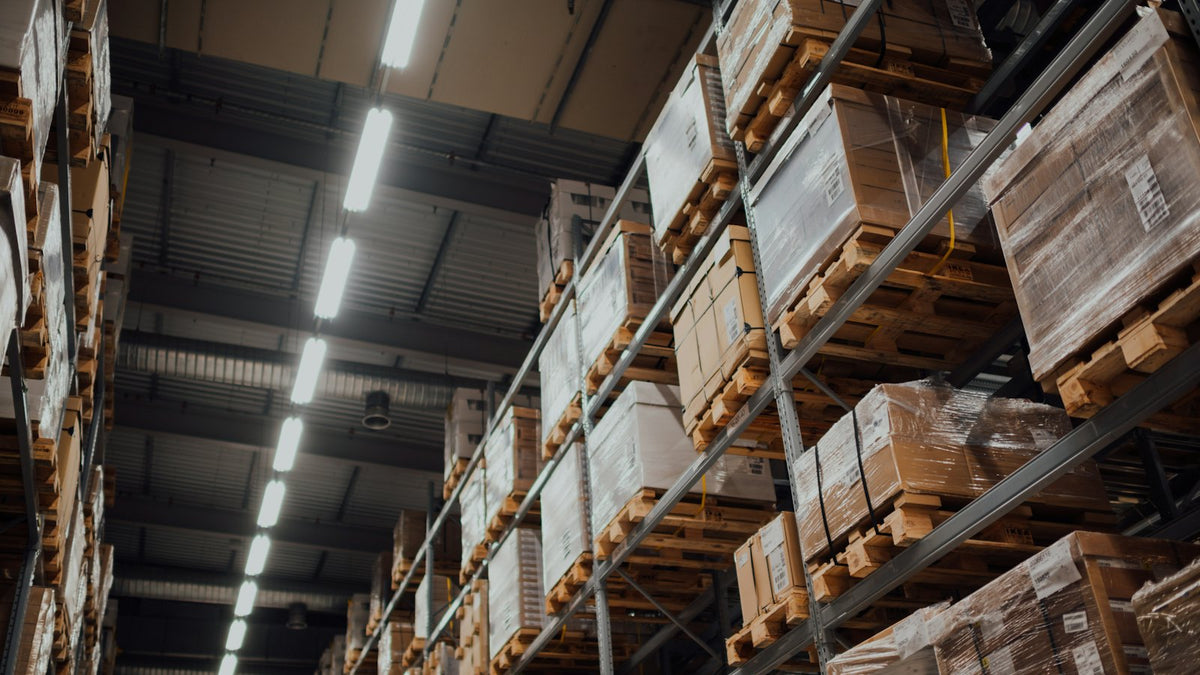
- Manifest or item list: what is actually in the load, with quantities, and whether it is itemized or estimated.
- Condition: new, shelf pull, customer return, or a mix, and the approximate share of each.
- Packaging: retail-ready boxes, bulk cartons, or loose units that need repacking.
- Photos: recent pictures of the actual pallets, not only stock product images.
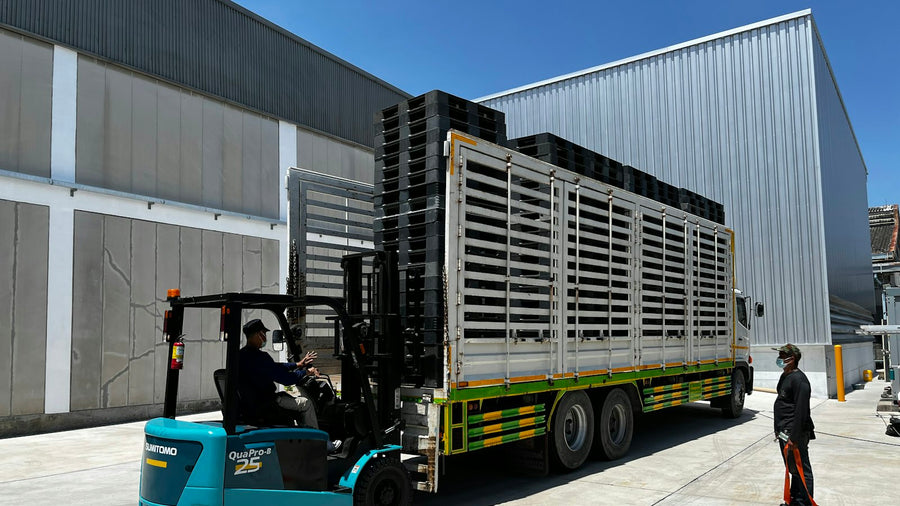
- Freight and pickup: who arranges shipping, where the goods are, and what the lead time is.
- Payment and returns terms: what happens if the load does not match the description.
- Price fit: whether your landed cost lets you sell at a price your customers expect.
It also helps to be clear about what you do not want. If your store cannot move large appliances or opened cosmetics, say so up front. Suppliers and sourcing partners can only filter well when they know your limits.
Matching the lot type to your store
There is no single best type of off-price inventory. A store known for brand-name bargains may lean on closeouts and overstock. A store with loyal treasure-hunting shoppers may do well with shelf pulls and mixed lots. Many stores buy all three, adjusting the mix by season and category.
The common thread is speed and fit. Good off-price deals tend to move quickly, so it pays to know in advance which categories, conditions, and price points work for you. When an offer arrives, you can say yes or no with confidence instead of starting the research from scratch.
How BuyerCrew helps
BuyerCrew is an AI sourcing agent that learns your store, your categories, and your price range, then sends matching off-price deals to you by WhatsApp or email. When a deal fits, you talk to the supplier and buy directly from them.